This article includes affiliate links, meaning we earn a commission from purchases made through our site. As Amazon Associates, we may also earn from qualifying purchases. discover more!
Irrespective of their location, numerous homeowners invest significantly in maintaining comfortable indoor temperatures year-round. Manny of these individuals are also pet owners who provide their furry friends with access to the outdoors via pet doors. However, if these doors are not properly sealed, they can allow conditioned air to escape, leading to increased energy consumption as your home works harder to maintain its desired climate—especially if the door is frequently used.
While pet doors offer various advantages that contribute positively to your pets’ well-being—as discussed in this resource—the convenience they provide might be costing you more than you realize. Fortunately, there are effective strategies for minimizing energy loss without sacrificing your pet’s freedom. Here’s how you can optimize your doggy door for better energy efficiency.
Tighten Up Seals
the initial action you should take is sealing any gaps or cracks around the door frame with caulk. It’s essential not to waste time and resources upgrading your pet door only for it still to leak air. This step will also enhance winter insulation for your doggy door; just remember to seal both sides of the frame—not just the interior side! For added protection against drafts and weather elements, consider applying weatherstripping around the edges of the frame.
Add an Extra Flap
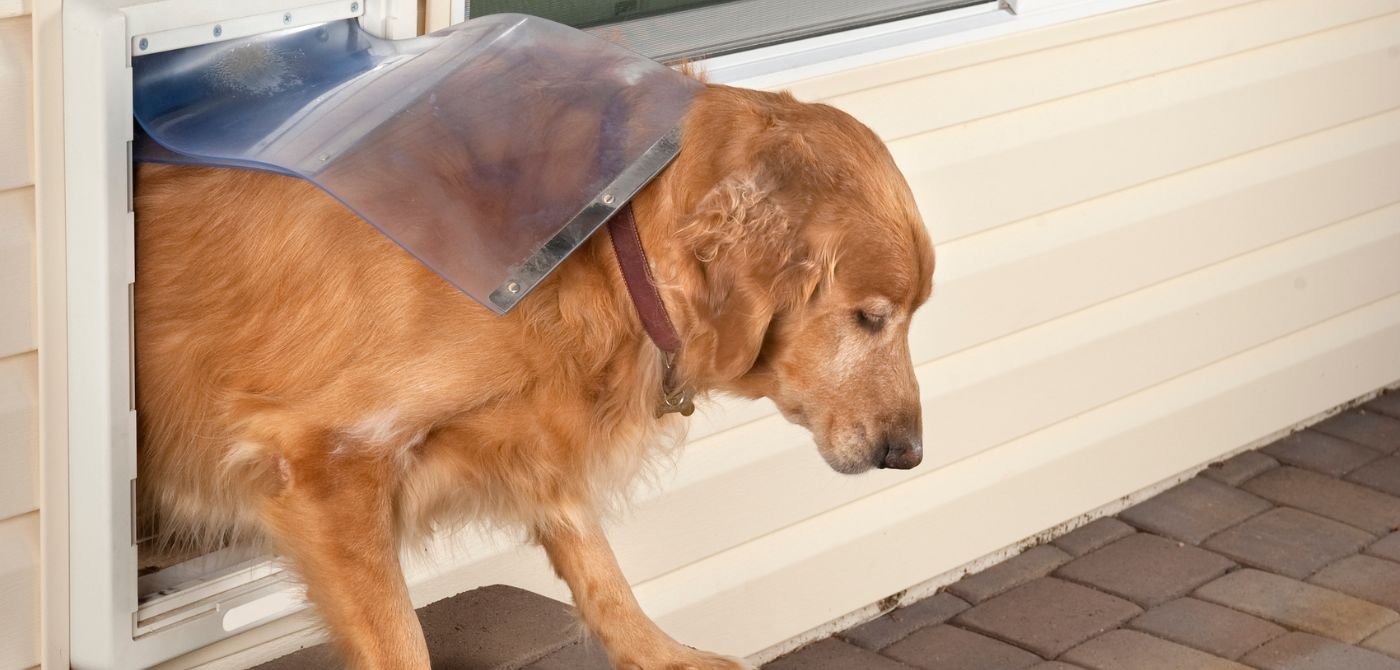
A common reason conditioned air escapes through a pet door is that it doesn’t always close entirely after use. Installing an additional rubber flap can help retain indoor air while ensuring that it automatically returns to a closed position after each use. These flaps effectively repel water and block cold drafts as well; moreover, adding plastic strips at the bottom can prevent snow and rain from entering while providing another layer of insulation.
If you’re facing issues with a doggy door not sealing properly when closed, magnetic latches could be an ideal solution. These latches will pull the door shut automatically if it’s nearly closed—preventing any loss of temperature-controlled air inside your home. You have options here: either purchase magnetic dog doors or easily install magnetic strips on existing ones or additional flaps you’ve added. Avoiding unnecessary electricity waste through your doggy door is straightforward once you’re aware of these solutions! Whether you’re inclined towards DIY projects or prefer purchasing ready-made options from stores, keep these tips in mind so you can choose what best suits both you and your beloved pets.