The increasing number of pets in South Korea is giving rise to a unique tradition surrounding their farewells, yet high costs and limited access continue to pose challenges for many pet owners.
Kim Ji-hyun, a resident of Yongin in Gyeonggi Province, bid farewell last year to her beloved maltese named Kong, who lived for 17 years. She opted for a pet funeral home located in a nearby city that featured cremation services to honor her long-time companion.
The ceremony held for Kong closely mirrored traditional Korean funerals. A staff member dressed in somber attire gently washed the dog before wrapping it in hemp cloth and placing it into a wooden coffin.
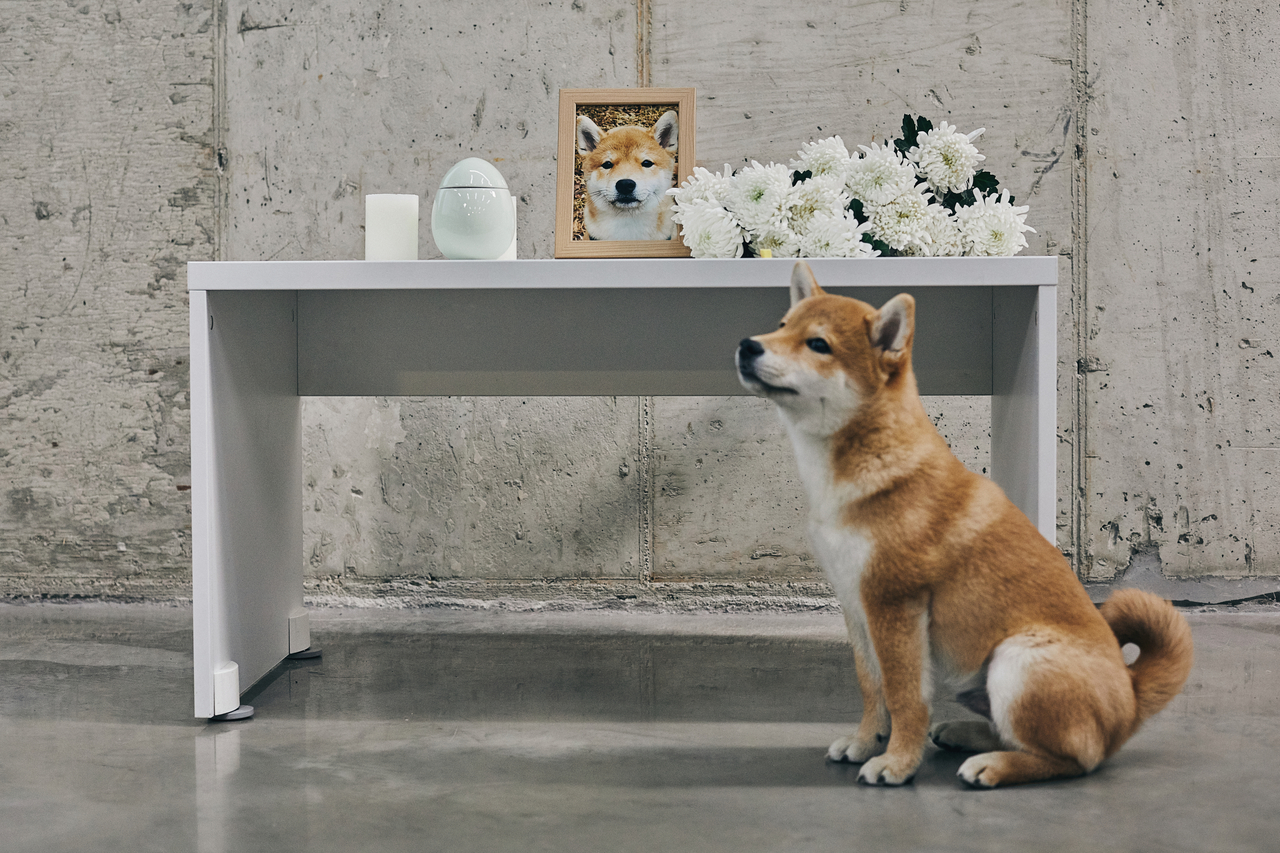
In an intimate setting with family members gathered around, the coffin was placed on an altar adorned with photographs of Kong. Approximately thirty minutes later, the cremation process commenced, culminating with the remains being transferred into an urn.
Pet funerals are becoming increasingly common as South Korea’s pet ownership has surged to approximately 15.46 million—accounting for nearly one-third (29.9%) of the population. This demographic now includes various animals beyond just dogs and cats; turtles, parrots, and even goldfish are also part of this growing trend.
Changing Attitudes Towards Pet Farewells

A recent survey conducted by KB Financial Research Institute revealed that about two-thirds (64.6%) of Koreans who have lost pets chose to hold funerals—either through dedicated funeral homes or veterinarians—a significant increase from just under forty percent (38.7%) recorded two years prior.
The preference for cremation has also risen sharply from approximately one-third (29.5%) to nearly half (49.5%), despite costs starting at around ₩150,000 ($108), which is higher than typical veterinary disposal fees.
This increase can be attributed partly to legal regulations that classify animal remains as waste; unauthorized burials are prohibited under Korean law. For those who do not opt for formal funerals, disposing of remains through designated waste collection is often seen as unacceptable by many pet owners.
For some individuals like kim Ji-hyun, emotional closure plays a crucial role: “There were no other legal options available,” she explained regarding her decision but emphasized that being present until the end was worth every penny spent on the service: “the feeling of ‘this is our final goodbye’ allowed me peace.”
Lee Woong-jong from Yonam University noted that this rise reflects changing societal views towards pets; they were once regarded merely as possessions but are now seen as integral family members whose loss can lead to profound grief known as “pet loss syndrome.” Funerals provide families with essential closure after such losses.
A Growing Market
The demand for pet funerals continues on an upward trajectory according to KB’s findings: only about one-third (31.6%) buried their pets themselves compared with over half (58.7%) two years ago; meanwhile, another study indicated that over eighty percent would consider holding future ceremonies for their pets—up from sixty-four percent previously reported.

&nbs;
&nbs;
&nbs;
&nbs;
&nbs;
&nbs;
&nb;
&nb;
&nb;
&nb;
&nb;
&nb;
&nb;
.
. . . . .
… … … ………. ………………….