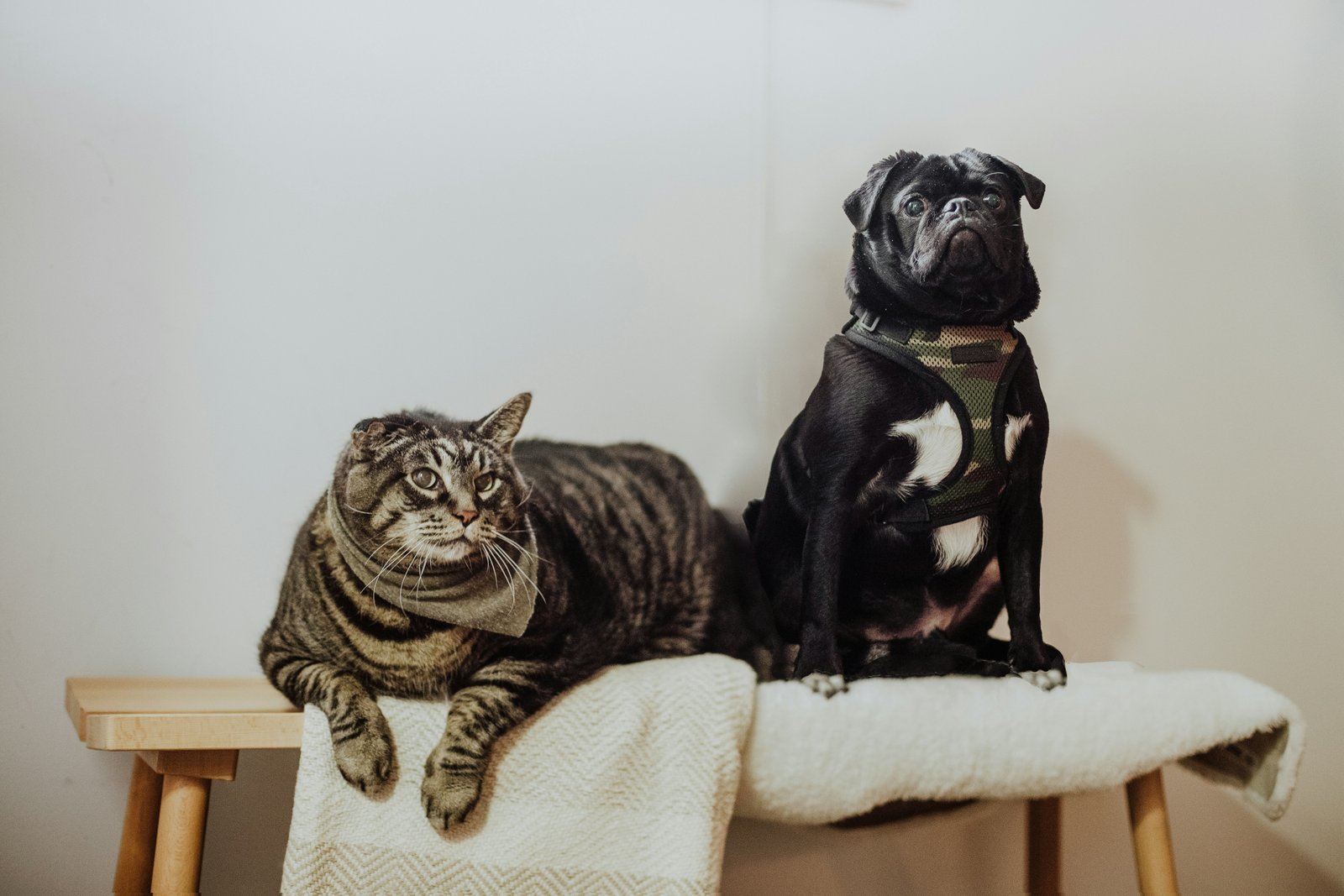
Researchers are developing a groundbreaking medication designed to combat obesity in both cats and dogs, as an increasing number of pets face notable health challenges associated with being overweight. This new treatment, known as OKV-119, is being created by the biotech firms Okava and Vivani Scientific, with expectations for availability by 2028 or 2029. Unlike traditional weekly injections used for humans, this innovative drug will be administered via a six-month implant, raising hopes that it could revolutionize how pet health is managed.
Rising Obesity Rates Among Pets in the UK
Obesity has emerged as one of the most prevalent health concerns among household pets. recent statistics reveal that approximately 50% of dogs and 43% of cats in the UK are classified as obese. on a global scale, these numbers are even more alarming, with nearly 60% of pets struggling with excess weight.
Veterinary experts caution that obesity—recognized as the most common nutritional disorder in companion animals—is linked to various serious conditions such as diabetes, orthopedic issues, respiratory problems, and reduced life expectancy. With pet ownership reaching unprecedented levels, this issue has become increasingly critical for veterinarians and animal welfare organizations alike.
The Mechanism Behind the new Implant
The OKV-119 implant releases exenatide—a GLP-1 receptor agonist similar to semaglutide found in Ozempic—through a small device implanted under the skin. GLP-1 plays an essential role in regulating glucose levels and appetite; its receptor agonists have already been widely utilized in human medications aimed at treating diabetes and obesity.
A 2024 study published in BMC Veterinary Research indicates that this implant was well-tolerated by cats; it can be inserted or removed within minutes while maintaining exenatide levels conducive to weight loss and decreased food consumption. Clinical trials are currently expanding to include dogs with aspirations of creating a long-term treatment option for managing pet obesity alongside dietary changes and increased physical activity.
The ‘Ozempup’ Phenomenon
This new treatment has garnered media attention under the moniker ‘Ozempup,’ cleverly referencing its human counterpart Ozempic.
The surge in public interest reflects a broader curiosity about weight-loss injections among humans while highlighting an increasing demand from pet owners seeking similar rapid-fix solutions.
This growing focus underscores how obesity has become a cross-species health crisis; parallels can be drawn between lifestyle-related conditions affecting humans and those observed in domestic animals.
Caution from Veterinary Professionals
Anxiety persists among animal welfare advocates and veterinary professionals regarding reliance on pharmaceutical interventions alone. Caroline Allen, chief veterinary officer at RSPCA, stressed that regular exercise combined with proper nutrition remains the best strategy for addressing obesity issues among pets.
“A balanced diet along with physical activity is crucial for keeping our pets happy and healthy,” Allen stated according to reports from STV News. However, she acknowledged that “pet owners ofen struggle to manage their animals’ weight effectively.”
Professor Alex German from Liverpool University, who established one of the first dedicated Obesity Clinics for companion animals globally noted some breeds like Labrador Retrievers possess genetic predispositions towards overeating due to specific appetite-related genes. He suggested scientific implants could offer additional support but emphasized they should complement—not replace—proper feeding practices along with consistent exercise routines throughout an animal’s life.
Naturally Inspired Alternatives on The Horizon
As OKV-119 undergoes testing phases other alternatives are also emerging into view. A UK-based company named Omni Pet has introduced LeanPaws, which is a vegan supplement formulated using amino acids alongside probiotics aimed at mimicking GLP-1 effects naturally through dietary means. In trials conducted so far involving LeanPaws usage showed promising results: 77% of participating dogs lost weight while 63% experienced reductions overall body mass; additionally around 42% exhibited less begging behavior during meal times!
Scheduled for launch by 2026 LeanPaws positions itself as an appealing natural alternative catering specifically towards conscientious pet owners looking beyond pharmaceutical solutions when managing their furry friends’ weights effectively!
The Future Landscape Of Obesity Treatments For Pets
The ongoing rise rates concerning overweight pets amplifies demand surrounding innovative treatments like OKV-119 which continues progressing through extensive trial phases aiming toward potential commercial availability within three-to-four years pending regulatory approvals! Until then veterinarians advocate maintaining balanced diets coupled together portion control strategies plus regular exercise remain foundational elements ensuring healthy weight management practices across both felines & canines alike!